Mirror, Mirror on the Wall: Understanding Body Dysmorphic Disorder and How to Support Someone Dear to You
Introduction:
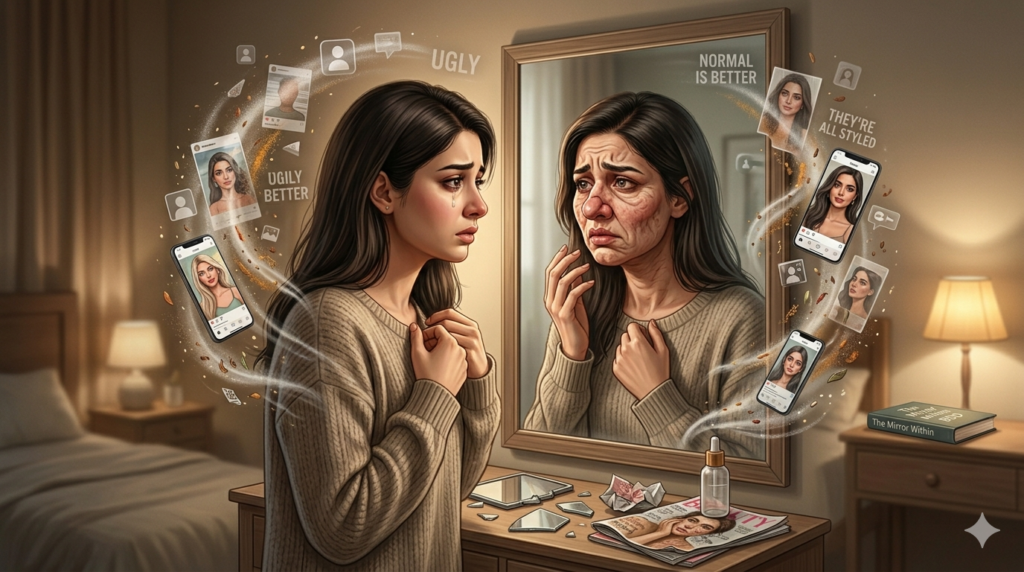
Consider looking in the mirror and seeing something “wrong” every single time, even if everyone else insists nothing is there. For someone living with Body Dysmorphic Disorder (BDD), this isn’t occasional insecurity. It’s a daily mental loop that feels real, distressing, and impossible to switch off.
Research suggests that around 1.7% to 2.9% of people experience BDD symptoms, meaning millions are silently struggling with appearance-related anxiety and compulsive behaviors. Yet many never talk about it due to shame or fear of being misunderstood.
In this guide, you’ll learn what BDD really is, how it affects daily life, how to support someone experiencing it, and what caregivers can do to protect their own mental health too.
What Is Body Dysmorphic Disorder (BDD)?
Body Dysmorphic Disorder (BDD) is a mental health condition where a person becomes intensely preoccupied with perceived flaws in their appearance. These flaws are usually minor or completely unnoticeable to others.
It is not vanity. It is not attention-seeking. It is a form of obsessive-compulsive related distress where thoughts about appearance become intrusive and uncontrollable.
People with BDD often focus on areas like:
- Skin texture or acne
- Nose shape or size
- Hair thinning or body hair
- Facial symmetry
- Weight or muscle size
Common Signs and Symptoms
BDD can look different from person to person, but common patterns include:
- Constant mirror checking or avoiding mirrors completely
- Seeking repeated reassurance about appearance
- Comparing themselves with others excessively
- Spending long periods trying to “fix” appearance
- Anxiety before social events or photos
- Frequently considering cosmetic procedures
- Hiding body parts with clothing or makeup
The emotional experience is intense and often includes shame, anxiety, or even depression.
How BDD Affects Daily Life
BDD doesn’t just stay in the mirror. It affects real life in powerful ways.
A person may:
- Avoid school, work, or social events
- Struggle in relationships due to insecurity
- Spend excessive money on cosmetic treatments
- Experience severe stress over photos or video calls
- Feel trapped in repetitive thoughts about appearance
Even when others reassure them, the relief is temporary. The mind quickly returns to the same perceived “flaw.”
Healthy Thinking vs BDD Thinking Patterns
Understanding thought patterns is key to recognizing BDD. Here’s a simple comparison:
Healthy Thinking
“I don’t love this feature, but it’s part of me and doesn’t define my worth.”
BDD Thinking
“This flaw is disgusting. Everyone notices it. I can’t live like this unless I fix it.”
Healthy Thinking
“I feel insecure today, but I can still go out.”
BDD Thinking
“I cannot be seen like this. I need to cancel everything.”
Healthy Thinking
“I might get a haircut or skincare routine for confidence.”
BDD Thinking
“I need surgery or constant fixing to feel okay.”
This shift in perception is what makes BDD so distressing, it feels completely real to the person experiencing it.
How to Support Someone with BDD
Supporting someone with BDD is less about correcting their perception and more about helping them feel understood.
Helpful Communication Approach
Instead of constantly saying things like:
- “You look fine, stop worrying”
- “There’s nothing wrong with you”
Try something like:
- “I can see this is really distressing for you”
- “I’m here with you in this feeling”
- “Have you considered talking to someone trained to help with these thoughts?”
This approach validates emotion without reinforcing the obsession.
Encourage Professional Help
Effective treatments include:
- Cognitive Behavioral Therapy (CBT)
- Medications prescribed by professionals
- Specialized therapy for obsessive thoughts
What Not to Say or Do
Even well-meaning support can sometimes accidentally worsen BDD.
Avoid:
- Repeated reassurance about appearance
- Agreeing to unnecessary cosmetic procedures
- Engaging in long debates about their “flaw”
- Mocking or dismissing their concerns
Why? Because reassurance often feeds the cycle instead of breaking it.
Treatment Options That Actually Help
BDD is treatable, and improvement is possible with the right support.
- Cognitive Behavioral Therapy (CBT)
Helps reframe obsessive thoughts and reduce compulsive behaviors.
- Medication
Can reduce obsessive thinking patterns and anxiety.
- Exposure-Based Therapy
Gradual exposure to feared situations (like mirrors or social events).
- Support Groups
Connecting with others who understand reduces isolation.
Organizations like IOCDF provide family-focused guidance and resources.
Cultural Pressure and Social Media Influence
Modern culture plays a big role in BDD symptoms.
Filters, edited images, and beauty standards online can distort reality. People with BDD may feel pressured to match unrealistic ideals.
This doesn’t mean social media causes BDD, but it can intensify existing vulnerability.
A helpful way to support someone is gently discussing:
“This might be more about pressure from beauty standards than your actual appearance.”
Caregiver Stress and Self-Care
Living with someone who has BDD can be emotionally exhausting. You may feel like nothing you say helps or like you’re constantly “walking on eggshells.”
Important reminders for caregivers:
- You are not responsible for fixing the disorder
- Emotional burnout is real and valid
- Support groups or therapy can help you process frustration
- Talking to someone outside the situation is necessary, not optional
Supporting someone with BDD requires balance, not self-sacrifice.
Conclusion:
Body Dysmorphic Disorder is not about vanity, it is about anxiety, perception, and mental distress that feels very real to the person experiencing it.
The good news? With therapy, support, and understanding, people with BDD can learn to reduce obsessive thoughts and regain control over their lives.
Healing doesn’t come from perfect reassurance or cosmetic fixes. It comes from learning a new way to relate to thoughts, emotions, and self-image.
And nobody has to go through that journey alone.