Breaking the Silence: How to Help a Child with Selective Mutism
Introduction
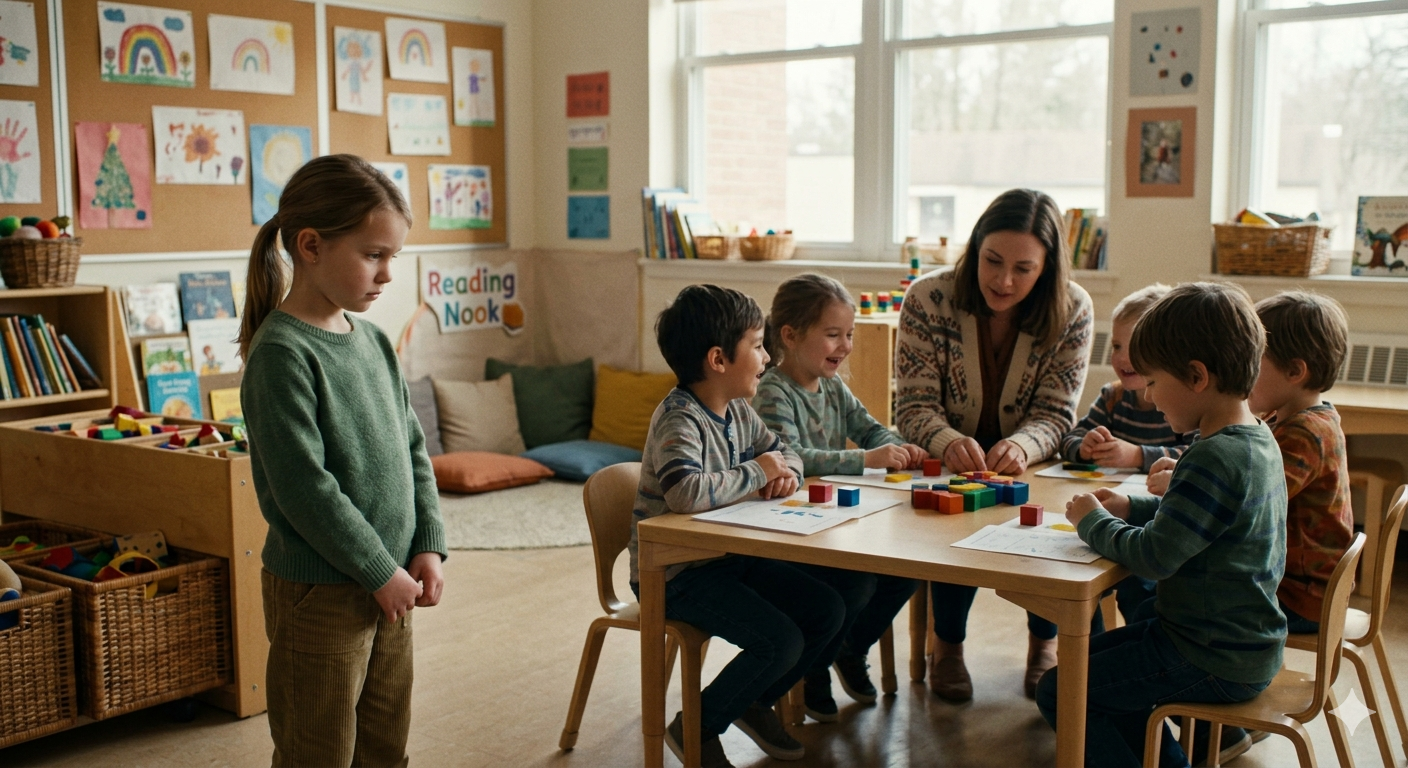
A child who talks freely at home but becomes completely silent at school or in public settings may not be “shy” or “stubborn.” This pattern is often linked to a clinically recognized anxiety disorder known as selective mutism.
Selective mutism affects less than 1% of children and typically appears between ages 3 and 6. While the child has normal speech ability, anxiety in specific environments prevents them from speaking.
This guide explains the causes, symptoms, and practical strategies parents and caregivers can use to support communication without increasing pressure or fear.
What Is Selective Mutism?
Selective mutism is an anxiety disorder where a child is unable to speak in certain social situations despite being able to speak comfortably in others.
It is not a speech delay or behavioral issue.
Key characteristics include:
- Normal speech at home
- Silence in school or social environments
- High anxiety in unfamiliar situations
- Reliance on gestures or non-verbal communication
Signs and Symptoms of Selective Mutism
Children with selective mutism may show:
- No verbal response in school or public settings
- Speaking only to close family members
- Avoidance of eye contact in social situations
- Physical signs of anxiety (stiff posture, freezing, withdrawal)
- Difficulty initiating interaction even when comfortable
These symptoms are consistent and anxiety-driven rather than intentional refusal.
Causes of Selective Mutism
Selective mutism is primarily linked to social anxiety and behavioral inhibition.
Common contributing factors include:
- Social anxiety disorder
- Highly sensitive temperament
- Overwhelming or unfamiliar environments
- Fear of being judged or making mistakes
It is important to understand that the child is not choosing silence, the anxiety response interferes with speech.
How to Help a Child with Selective Mutism
- Use Low-Pressure Communication
Avoid forcing speech. Instead, create safe and flexible communication options.
Examples:
- Allow drawing instead of speaking
- Accept whispering as a step forward
- Use yes/no or gesture-based responses
- Give extra time to respond
This reduces anxiety and builds trust in communication.
- Follow a Gradual Exposure Approach
Progress should be slow and structured.
Example progression:
- Speaking comfortably at home
- Whispering to a parent in public
- Speaking one word in school with support
- Short responses to teachers
- Gradual independent speech in class
Each step should be repeated until the child feels secure before moving forward.
- Encourage Play-Based Communication
Speech becomes easier when it is not performance-based.
Effective methods include:
- Role-play games
- Puppet or toy conversations
- Sound imitation games
- Storytelling through drawing or play
These reduce pressure and encourage natural speech development.
What Parents Should Avoid
Avoiding these behaviors is crucial for progress:
- Forcing the child to speak in public
- Punishing or expressing frustration about silence
- Labeling the child as “shy” in social settings
- Speaking on behalf of the child in every situation
- Creating high-pressure speaking situations
These approaches often increase anxiety and delay improvement.
Supporting Parents and Caregivers
Caring for a child with selective mutism can be emotionally challenging.
Helpful strategies:
- Educate yourself about anxiety disorders
- Stay consistent with supportive communication methods
- Connect with parent support groups
- Take breaks during stressful situations
- Focus on small progress rather than immediate results
Caregiver patience plays a major role in long-term improvement.
Misconceptions About Selective Mutism
Selective mutism is often misunderstood as:
- Shyness
- Stubbornness
- A phase the child will outgrow
In reality, it is a recognized anxiety disorder that requires structured support.
Early awareness leads to better outcomes and reduces stigma.
Conclusion
Selective mutism is not about a child refusing to speak, it is about anxiety temporarily blocking communication in certain environments.
With patience, gradual exposure, and low-pressure support, children can slowly build confidence and begin speaking in previously difficult settings.
Progress may be slow, but every small step whispering, nodding, or brief speech is meaningful growth toward long-term communication confidence.