Clearing the Clutter: How to Support Someone with Hoarding Disorder Effectively
Introduction:
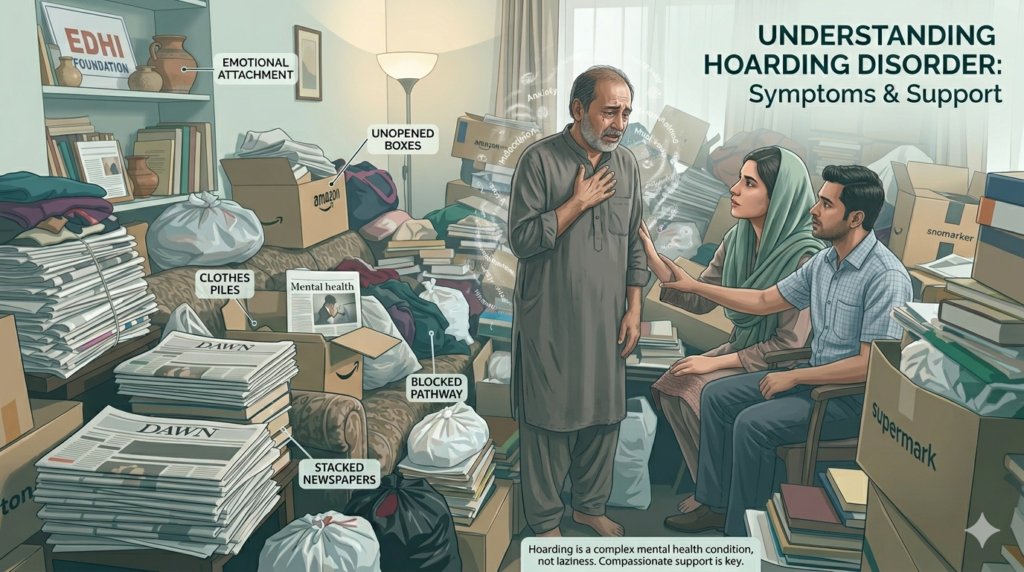
Have you ever walked into a room where every surface is covered, stacks of newspapers, unopened packages, clothes piled high and felt unsure where to even step?
Now imagine that space belongs to someone you love.
For families living with hoarding disorder, this isn’t just “messiness.” It’s a daily emotional struggle filled with anxiety, conflict, and helplessness. According to mental health research, hoarding disorder affects approximately 2–6% of the population, and it often becomes more severe with age.
But here’s the important part: hoarding is not laziness or carelessness. It is a recognized mental health condition linked to anxiety, emotional attachment to possessions, and difficulty making decisions about discarding items.
In this blog, you’ll learn:
- What hoarding disorder really is (beyond stereotypes)
- Why it happens and how it affects daily life
- How to communicate with someone who hoards without triggering conflict
- Safe, realistic caregiver strategies
- How to protect your own mental and emotional well-being
What Is Hoarding Disorder?
Hoarding disorder is a mental health condition where a person experiences extreme difficulty discarding possessions, regardless of their actual value. Over time, this leads to clutter that takes over living spaces and disrupts normal life.
Unlike collecting, which is organized and intentional, hoarding is driven by emotional distress. Items are kept not because they are useful, but because letting go feels overwhelming or unsafe.
Common emotional patterns include:
- Fear of losing something important
- Anxiety when trying to throw items away
- Strong emotional attachment to objects
- Feeling responsible for “saving” items from being wasted
Why People Develop Hoarding Behaviors
There is no single cause. Hoarding disorder often develops from a mix of psychological and environmental factors.
Common contributing factors include:
Emotional Trauma or Loss
People who have experienced loss may hold onto objects as emotional anchors.
Anxiety and Decision-Making Difficulty
Even simple decisions like “keep or throw” can feel mentally exhausting.
Neuropsychological Differences
Some individuals struggle with organization, categorization, and processing clutter.
Perfectionism and Fear of Mistakes
Throwing something away can feel like a “permanent mistake.”
Understanding these causes helps shift the mindset from judgment to empathy.
- Signs and Real-Life Impact
Hoarding disorder can vary in severity, but common signs include:
- Rooms filled beyond usable capacity
- Difficulty moving through hallways or pathways
- Accumulation of newspapers, clothes, containers, or trash
- Emotional distress when items are touched or removed
- Avoidance of visitors due to shame
Real-Life Consequences:
- Increased risk of falls or injury
- Fire hazards due to blocked exits
- Poor hygiene conditions
- Strained family relationships
- Social isolation
Even though the clutter is visible, the emotional pain behind it is often hidden.
How to Talk to Someone with Hoarding Disorder
Communication is everything. The wrong approach can increase resistance, while the right one builds trust.
What NOT to say:
- “Just throw this junk away.”
- “You’re being ridiculous.”
- “If you don’t clean this, I’ll do it myself.”
These statements often trigger anxiety and defensiveness.
What to say instead:
- “I know these items feel important to you.”
- “Can we look at one small space together?”
- “I’m here with you; we don’t have to rush.”
The goal is not forced cleanup, it’s collaboration.
- Safe and Effective Support Strategies
Supporting someone with hoarding disorder requires patience and structure, not pressure.
Start Small
Focus on one tiny area at a time, like a single table or corner.
Set Functional Goals
Instead of “clean everything,” aim for:
- Creating a safe walking path
- Clearing one chair or surface
Avoid Sudden Cleanouts
Throwing items away without consent can damage trust and worsen symptoms.
Encourage Professional Support
Therapists trained in cognitive behavioral therapy (CBT) can help address underlying anxiety and attachment issues.
Use Gentle Boundaries
Example:
“We need to keep this walkway clear so no one gets hurt.”
The Caregiver’s Emotional Struggle
Living with or supporting someone who hoards is emotionally draining.
Caregivers often experience:
- Frustration and helplessness
- Shame about the home environment
- Anxiety about safety risks
- Burnout from constant conflict
What helps caregivers:
- Breaking tasks into short, manageable sessions
- Asking friends or support services for help
- Setting emotional boundaries
- Talking to a therapist or support group
You cannot fix everything alone, and you are not expected to.
- Breaking Stigma Around Hoarding
One of the biggest barriers to recovery is stigma.
People often assume hoarding is:
- Laziness
- Poor hygiene habits
- Lack of discipline
In reality, it is deeply connected to mental health conditions like anxiety and obsessive-compulsive tendencies.
Cultural expectations around “clean homes” can also increase shame, making people less likely to seek help.
Changing the narrative starts with understanding, not judgment.
- When and How to Seek Professional Help
Professional intervention becomes important when:
- Living spaces become unsafe
- Health or hygiene risks increase
- Relationships are severely affected
- Emotional distress becomes overwhelming
Types of support:
- Cognitive Behavioral Therapy (CBT)
- Professional organizing services trained in hoarding cases
- Community mental health programs
- Family counseling
In severe cases, coordinated intervention may be needed, but it should always be handled with care and dignity.
Conclusion:
Hoarding disorder is not something that changes overnight. It is a gradual journey that requires empathy, patience, and structured support.
What matters most is not achieving a perfectly clean home but creating a safer, more livable environment while respecting emotional attachments.
If you are supporting someone with hoarding disorder, remember this: small steps still count as progress. Even clearing one surface or opening one pathway is meaningful.
Healing happens slowly, but it does happen with the right understanding and support system in place.